
Signs Your Commercial Building Needs an Upgrade

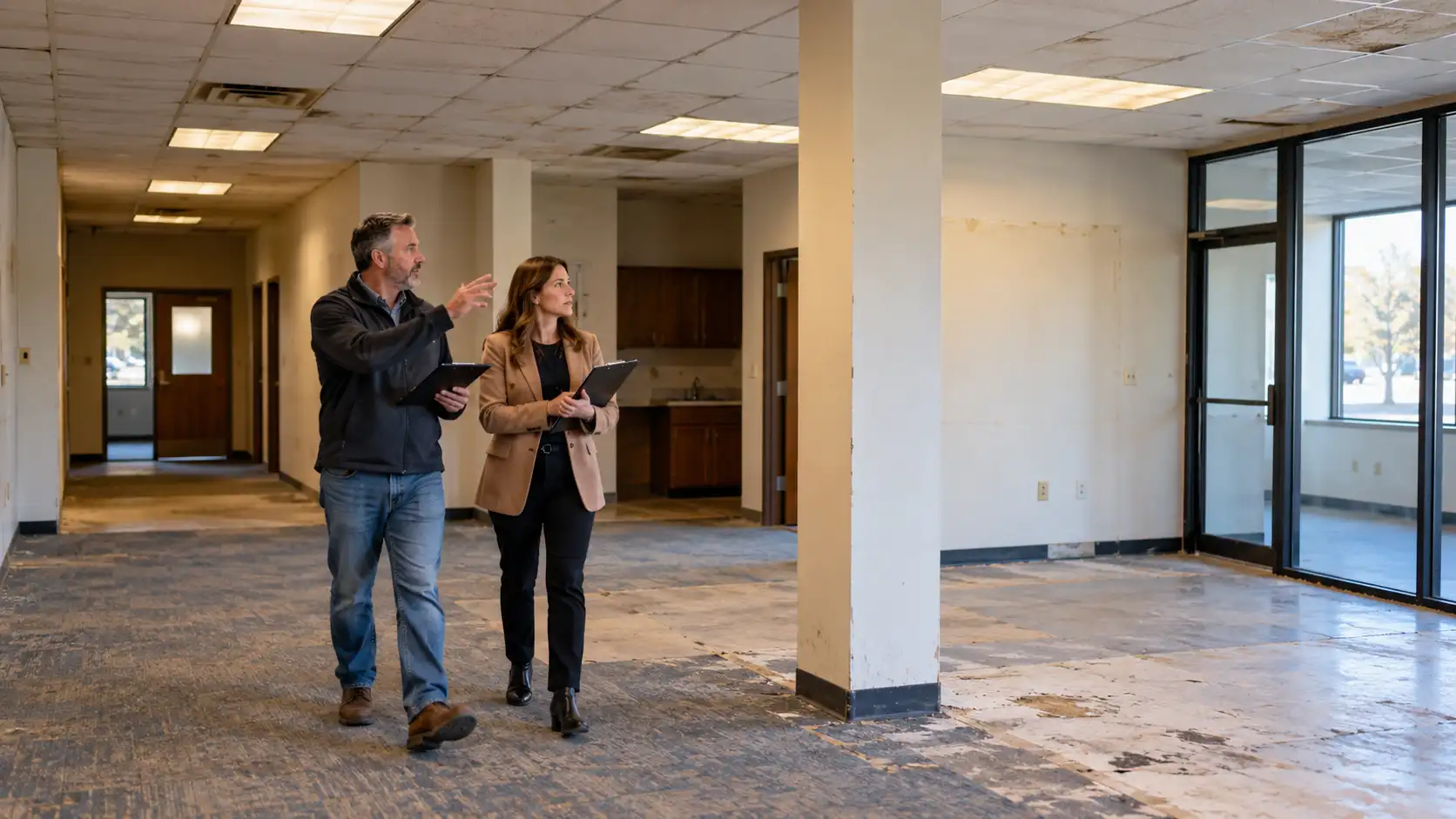
Commercial buildings rarely become outdated all at once. Instead, problems tend to appear gradually: a layout that no longer works, finishes that look worn, systems that require frequent attention, or a space that no longer matches how the business operates. Recognizing the Signs Your Commercial Building Needs an Upgrade can help property owners identify where targeted improvements or a broader remodel may be worth considering.
Routine maintenance can address normal wear and minor repairs, while commercial remodeling services may be appropriate when a property requires more substantial changes to its layout, finishes, architectural elements, or multiple areas at once. Understanding the common Signs You Need a Commercial Remodel can make it easier to determine the right scope for your Los Angeles property.
| Sign | What You May Notice | Possible Next Step |
| Inefficient layout | Crowding, unused rooms, poor circulation | Review space planning |
| Dated interior | Old flooring, ceilings, lighting or fixtures | Consider interior upgrades |
| Recurring repairs | The same issues keep returning | Evaluate affected components |
| Rising energy use | Older HVAC, lighting, windows or doors | Assess building systems |
| Outdated systems | Aging electrical, plumbing or technology | Professional evaluation |
| Business growth | More staff, equipment or storage needs | Reconfigure or expand space |
| Brand mismatch | Interior no longer fits the business | Modernize finishes and design |
| Poor accessibility | Difficult circulation or entrances | Review usability and access |
10 Signs Your Commercial Building May Need an Upgrade
A building doesn’t necessarily need a full remodel just because of one issue. If a problem is persistent or several of the following symptoms are noticed at the same time, however, a more thorough examination should be considered.
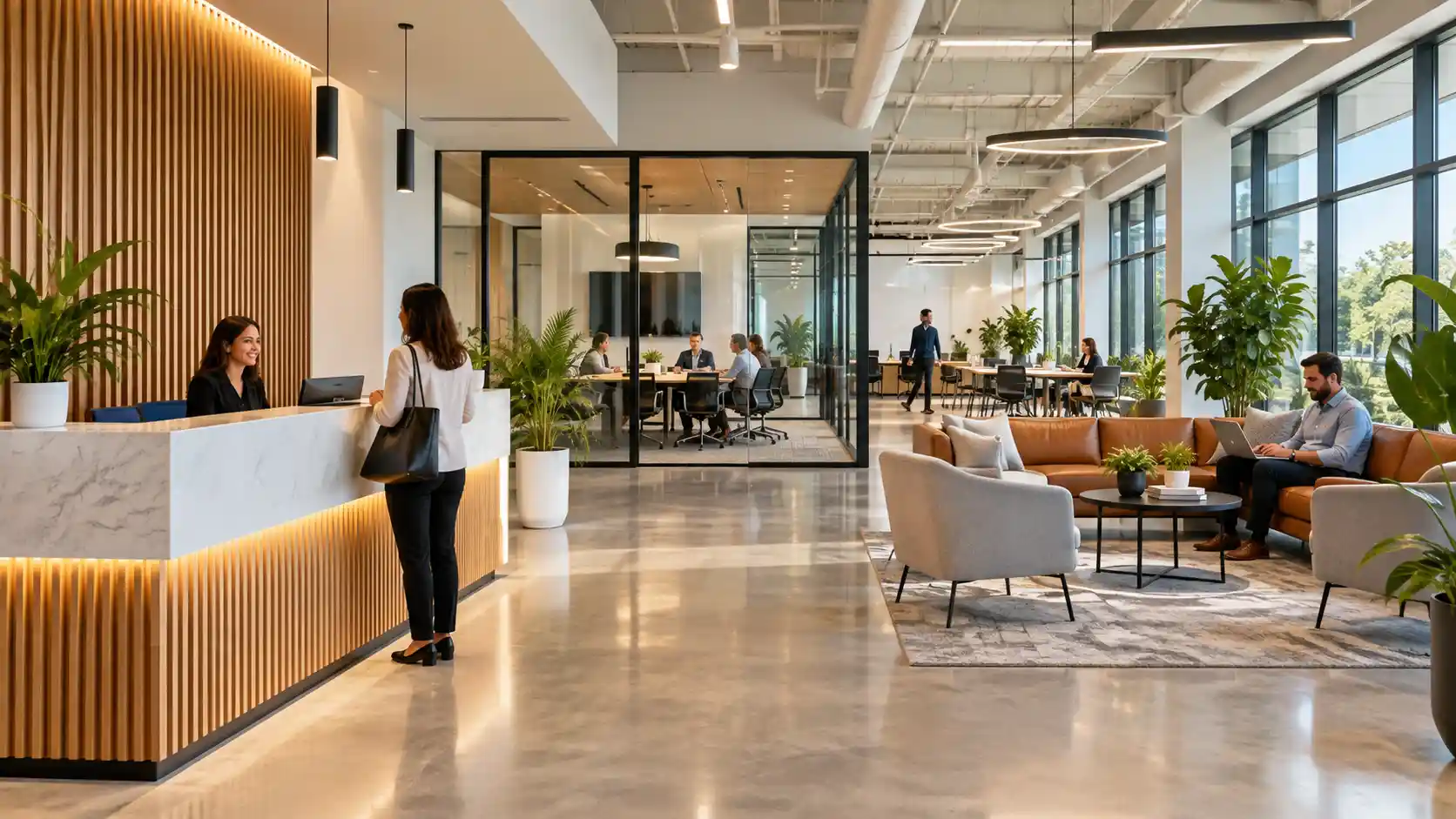
1. Your business is not a fit with the layout.
The commercial layout that worked so long ago might not meet the requirements for today’s operations. Maybe rooms you don’t need are left unused, meanwhile workers are cramped in another part of the building, or maybe there are awkward walkways between workstations, or maybe customers go through rooms which were not designed for the work they have to do.
Staffing, equipment, inventory, services or customer traffic changes all present new space needs. Adding or removing walls, work areas, storage or circulation can make the property more suitable to current business operations.
2. Your interior is looking dated.
Dated commercial properties lose their charm when the flooring is worn, the ceiling is aged, lighting is outdated, fixtures are dated, or there are inconsistent materials throughout the property.
An upgrade doesn’t always have to involve an overhaul of the interior. If the property is in good shape, it’s possible to simply redecorate certain features, such as lighting, original doors, architectural accents, and high-traffic spaces to update the property.
3. You have persistent problems with your building.
As a commercial property owner, you should expect some repairs every now and then. It’s not the same as repeated repairs of the same areas.
If there are ongoing issues with finishes, doors, windows, plumbing, lighting or other building elements, consider replacing the items or a more significant upgrade of the building rather than making quick fixes. The cause should be evaluated and then a decision on the type of work should be made.
4. You are spending more on your energy bills.
There may be numerous causes for higher energy use, so higher bills do not necessarily imply that the building should be remodeled. Efficient performance can be affected in older buildings with some building components, however.
If lighting, HVAC equipment, windows, doors, insulation, controls, or other systems are obsolete they should be evaluated. A trained professional can assist to determine where energy is being dissipated, and if any specific upgrades can enhance building performance.
5. You Have Old Doors and Windows
Business doors and windows have more impact than looks. Poor hardwoods, old frames, old seals, difficult configurations or any of the above can impact comfort, usability and the overall building appearance.
You can also include any modern architectural products as part of a bigger renovation. A good example of this is that the Struxa Group is currently able to provide architectural elements such as custom bi fold doors, French doors, windows and more property upgrade solutions that may be used in a wider design where appropriate.
6. Your building systems are out-of-date.
Commercial buildings rely on many systems, all of which need to function together, such as HVAC, electrical, plumbing, lighting, data connections and other technology infrastructure.
Existing systems might not be compatible with the newer equipment or current operational needs. Due to technical and safety issues, the systems should be inspected by the relevant qualified personnel to determine the need for repair, replacement or integration with a larger commercial construction project.
7. You regularly exceed the capacity of the space you have.
A commercial property may find itself under new demands when it is growing. Additional employees can mean additional workstations or meeting rooms; additional equipment can mean additional spaces; and additional inventory can mean additional storage space.
It may be important to find out if the property can be reconfigured before moving. Depending on the building and operational needs, sometimes, space planning and remodeling can be the better use of space.
8. Your Property is Not Your Own.
Businesses evolve and change, but not the buildings. It is possible to change the name, products, service offerings, or customer experience of a company without making any changes to the interior of its facility, which was designed for an earlier iteration of the company.
Improving reception spaces and finishes, adding lighting, updating entrances, remodeling customer-facing spaces and other architectural changes can help ensure a greater consistency between the physical environment and the company’s existing identity.
9. Space is difficult to use or access.
Commercial spaces should accommodate the people and activities that use them. Staging areas may be difficult to access, poorly positioned, or narrow, or there may be ergonomic or usability issues.
Accessibility may also need to be taken into account when making alterations. Accessibility requirements are dependent on the project and the property, and should be considered in consultation with the appropriate design, construction or code professionals.
10. There’s a big change coming in the use of the space.
A new tenant, business growth, office reconfiguration, change in operating model and/or change in commercial use can have a big impact on the building’s required services.
Changes in property use may lead to the need for new layouts, architecture, building systems, or finishes. This could mean a major change rather than smaller changes or improvements, such as remodeling, renovation, or other construction.
Commercial Building Upgrade vs. Commercial Remodel
In a building upgrade, the emphasis is on specific upgrades. This can range from updating a specific system to upgrading a specific area, refresh of finishes, upgrading lighting or replacing outdated doors or windows.
A commercial remodel is typically a bigger transformation. This can be a change in layout, interior modifications, multiple rooms being worked on simultaneously, or coordination between architectural elements and building systems. This will depend on the property’s condition, the number of issues involved and the objectives of the property’s owner.
When Should You Consider a Commercial Remodel?
A remodel is more relevant when several issues are being resolved in the building at the same time. For instance, a company might require larger work areas, a new reception, new buildings, and modifications to support the addition of equipment or staff. It might be easier to combine those improvements into a single remodeling project than to have each one as a separate project.
Other reasons to consider a wider evaluation are: repeated repairs, serious aesthetic problems, space restrictions, obsolete systems, planned expansion, and change of property use. It is not to say that all properties will need 100% reconstruction; a process of determining what is needed should be the goal.
Areas of a Commercial Building That May Need Upgrading
Improvements may involve anything in a business property. As a property gets older or the type of use changes, interior spaces, flooring, ceilings, lighting, entrances, reception areas, common areas, doors, window, HVAC and electrical systems and exterior architectural elements can all be candidates for improvements.
Areas that are part of a project should be based on the condition and the business needs, not just because the component is aging. If the doors and windows in a particular building need replacing or modernized, this can be part of a coordinated renovation, where architectural products play a significant role.
Benefits of Upgrading an Existing Commercial Building
The most practical advantage of upgrading an existing building is the ability to make changes to suit the present needs. Depending on the project, improvements can provide a more functional layout, better utilization of available space, modernization of worn components, better usability and the appearance that matches better the business occupying the property.
Some enhancements may also yield improvements in building performance if the building is replacing inefficient components, but the performance impact due to the replacement of inefficient components varies significantly based on the conditions and upgrades installed. It is important that building owners consider any renovation proposals with the needs and limitations of their specific building in mind and do not assume that any renovation will automatically offer certain financial or energy benefits.
Commercial Remodeling in Los Angeles
Remodeling in Los Angeles may be more than just about finishes and layout. The existing building conditions, scale of the project, site access, permitting/approval requirements, construction scheduling and coordination between architects, engineers, contractors and others can all affect the planning of the project.
Another factor might be business continuity, if a property is required to be partially open while it is being built. Defining project phases, access needs, working areas and scope of work prior to construction can help to create a more structured process.
How to Determine What Your Commercial Building Needs
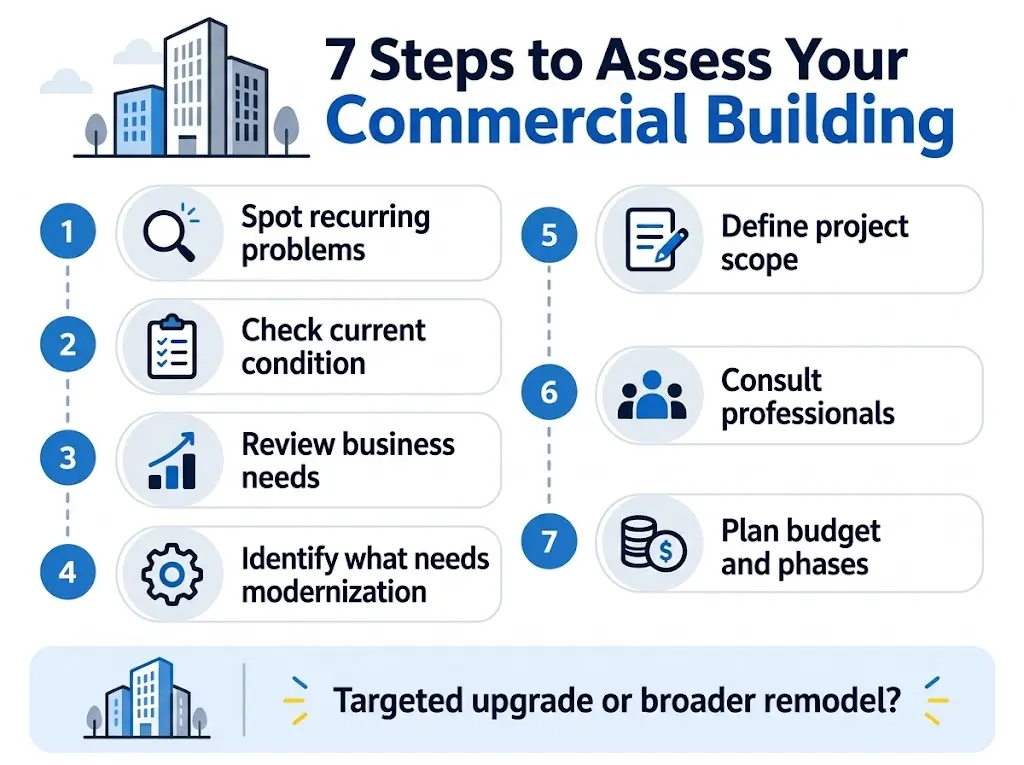
A systematic evaluation can be useful in determining if the process of improvement is a minor job or a larger remodel:
- Identify recurring problems. Make a note of repairs, operating problems, space limitations, and complaints that are common at a certain location.
- Evaluate current state. Conduct an interior review, architectural elements, finishes, systems, entrances and exterior areas.
- Determine current business needs. Think about staffing, equipment, storage, workflows, visitors, and plans for the future.
- Identify modernization areas. Keep cosmetic issues and functional or system issues distinct.
- Establish the scope of the project we want to undertake. Determine if any specific improvements or a comprehensive remodeling would better resolve the problems.
- Consult appropriate professionals. Depending on the work, contractors, designers, architects, engineers or specialized trades may be required.
- Develop a project plan and budget. Focus on improvements and identify how to manage construction and continue with business as usual.
It is easier to prioritise the changes, rather than beginning with individual changes before an assessment is made, as this will help to make it easier to consider how these changes will fit into the property.
Frequently Asked Questions
What Are the Signs That a Commercial Building Needs Remodeling?
Common signs include an inefficient layout, dated interiors, recurring maintenance problems, aging doors and windows, outdated building systems, limited space, poor circulation, and a property that no longer suits current business operations. Several issues occurring together may indicate that a broader remodel should be evaluated.
What Is the Difference Between a Commercial Upgrade and a Remodel?
An upgrade usually targets individual components or areas, such as lighting, doors, windows, or finishes. A remodel typically involves more extensive changes, such as reconfiguring layouts, reconstructing interior areas, or upgrading multiple parts of the building together.
How Often Should a Commercial Building Be Remodeled?
There is no universal remodeling schedule for commercial buildings. The appropriate timing depends on property condition, how heavily the space is used, the age and performance of its systems, changes in business operations, and the owner’s objectives.
Should I Remodel or Renovate My Commercial Building?
The best approach depends on what needs to change. Limited improvements to finishes or individual components may only require renovation or targeted upgrades, while substantial layout, system, or functional changes may justify a broader commercial remodel.
Can Remodeling Improve an Outdated Commercial Building?
Yes. Depending on the project scope, remodeling can update layouts, finishes, lighting, architectural elements, entrances, customer areas, and other parts of an outdated property. The achievable changes depend on the building’s existing condition and project requirements.
How Much Does a Commercial Remodel Cost in Los Angeles?
Commercial remodeling costs can vary substantially based on the property’s size, existing conditions, project scope, materials, building systems, construction requirements, and complexity. A project-specific assessment is therefore more useful than relying on a single general cost figure.
Is Your Commercial Building Ready for an Upgrade?
Recognizing the Signs Your Commercial Building Needs an Upgrade is the first step toward determining whether targeted improvements or a broader remodel make sense. Layout problems, recurring repairs, outdated interiors, aging architectural elements, and changing operational requirements can all signal that it is time to assess the property more closely.
Struxa Group provides architectural elements and supports property improvement projects with products including custom doors, windows, and other modern building components. If your Los Angeles commercial property is showing several of these signs, discuss your commercial remodeling project with the Struxa team to explore the requirements and appropriate next steps.